Pariah Word Reform
A movement to redefine the word 'Pariah' as derogatory
Pariah
Open any English dictionary and you'll find "pariah" defined as an outcast — someone rejected, shunned, unwanted. Newspapers use it freely. Politicians throw it around. Most people who say it have no idea where it comes from. But the word has a source, and that source is a real community of people in South India who never asked to become a metaphor for disgrace.
Where Does the Word Come From?
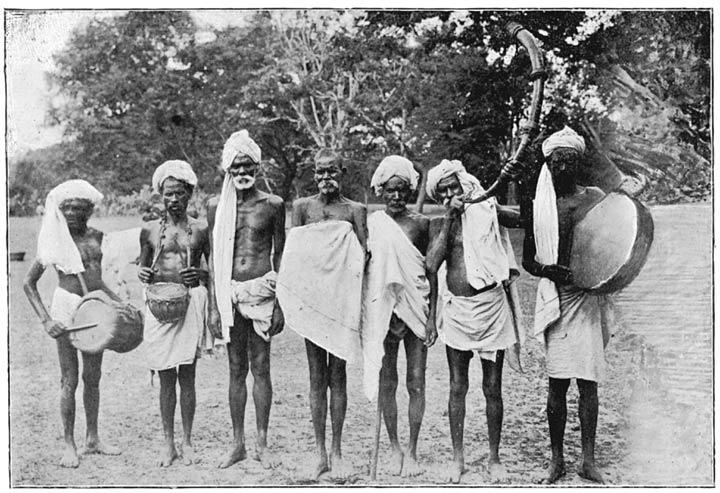
"Pariah" is an anglicised form of Paraiyar (பறையர்), a Tamil word rooted in parai (பறை) — a large drum used for public announcements and ceremonies. The Paraiyars were the people who played it.
In ancient Tamil society, these were the town criers. They beat the drum to announce royal decrees, mark festivals, and call communities together. It was a recognised, public-facing role — not a mark of shame. Think of it like the bellmen of medieval England, except with drums instead of bells.
Centuries of caste hardening changed that. The Paraiyars were pushed to the margins, and when colonial Europeans arrived, they took the community's name, stripped it of context, and turned it into a word meaning "outcast." That anglicised version — "pariah" — is what ended up in English dictionaries.
References
The Word Today
Walk into any newsroom, scroll through political commentary, or listen to a podcast — you'll hear "pariah" used casually, as if it's just another word for outcast. Most people using it have no idea they're repeating a casteist slur rooted in colonial prejudice.
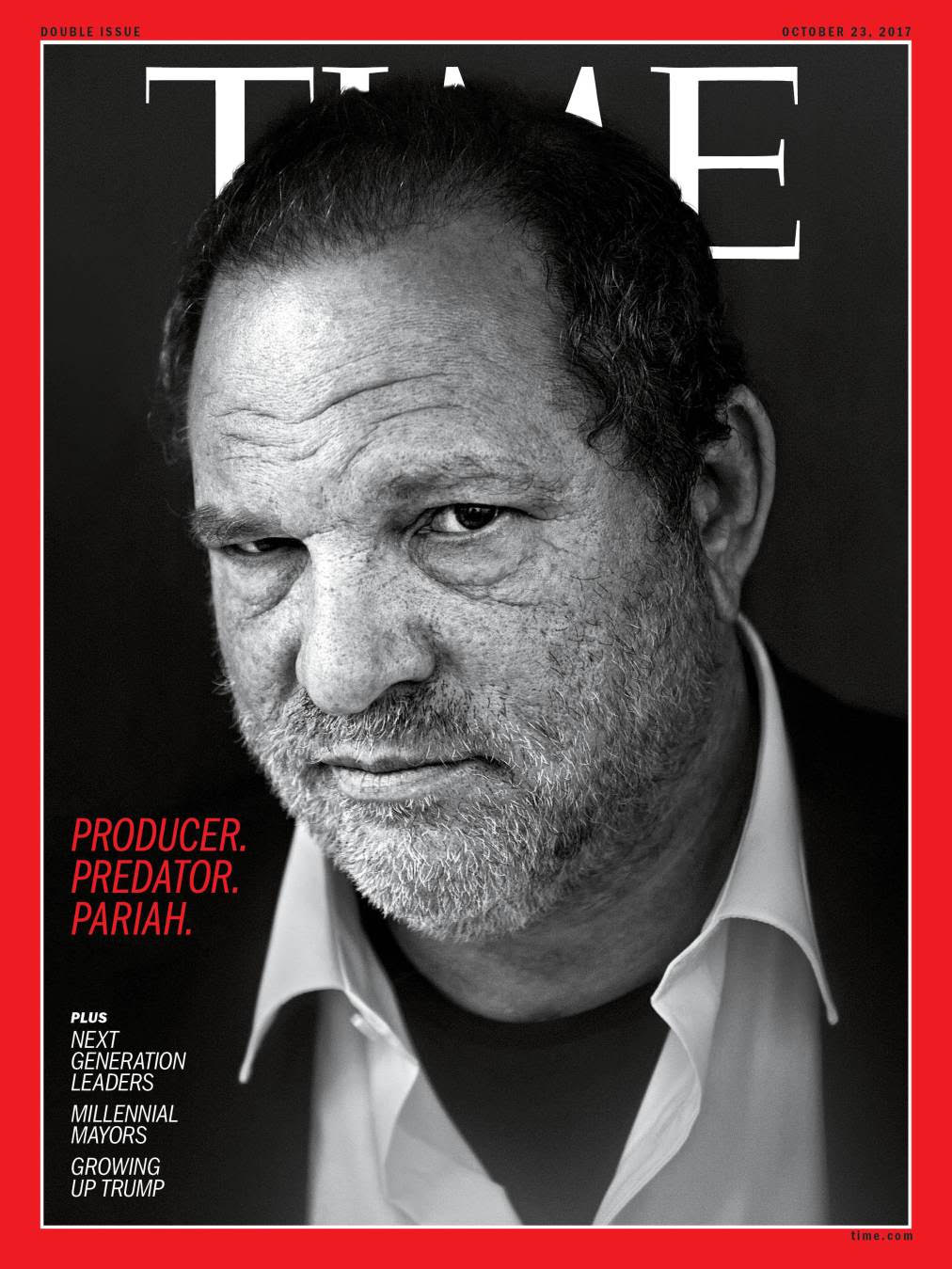
In 2017, Time magazine slapped "Pariah" across its cover to describe Harvey Weinstein. Tamil communities around the world pushed back. They wrote to the editors. They explained the history. Time didn't respond. The word kept spreading, because it sits in the dictionary as a perfectly acceptable English noun — and media just follows the dictionary.
Here's the thing: the community this word was taken from has already rejected it. Tamil Dalits don't use "Paraiyar" as an identity label anymore — they fought for and won the right to be called Adi Dravida, Scheduled Caste, Dalit. The people it refers to have moved on. English hasn't.
That's what this campaign is about. Not erasing a word from history books, but getting dictionaries to label it honestly — as offensive, as derogatory — so that writers and speakers think twice before reaching for it.